


Hey there! Ready to explore the exciting world of energy-saving with solar power? As we dive into this renewable energy source, we’re not just talking about lowering electricity bills. Solar power is a game-changer in the quest for a greener, more sustainable lifestyle.
In a fast-paced world where sustainability is pivotal, solar power emerges as a seamless solution. By harnessing the sun’s energy, we GENX Solar (www.genxsolutionsusa.com) embark on a journey towards reducing carbon footprints and promoting a more eco-friendly environment. Sounds great, right?
Imagine a world where your home not only meets its energy needs but also contributes to the bigger picture of environmental resilience. With solar power, you step into the realm of proactive energy consumption – making a tangible difference while enjoying the benefits of lower utility costs. So, let’s unravel the potential of solar power together and make a positive impact on the planet.
Understanding Solar Power
Solar power is a renewable energy source that harnesses sunlight to generate electricity. This section will delve into the key components of solar power systems, focusing on photovoltaic cells and the different types of solar panels commonly used in residential and commercial settings.
Photovoltaic Cells
Photovoltaic cells, also known as solar cells, are the building blocks of solar panels. These cells are typically made of silicon and consist of a positive and negative layer. When sunlight strikes the cells, it knocks electrons loose from the atoms, creating an electric current. This direct current (DC) is then converted into alternating current (AC) for home use. Silicon, a semiconductor material, is the most common material used in manufacturing photovoltaic cells due to its efficiency in converting sunlight into electricity.
Types of Solar Panels
- Monocrystalline Solar Panels:
- Made from a single crystal structure, these panels are known for their high efficiency rates and sleek appearance. They are space-efficient and perform well in low light conditions, making them a popular choice for residential installations.
- Made from a single crystal structure, these panels are known for their high efficiency rates and sleek appearance. They are space-efficient and perform well in low light conditions, making them a popular choice for residential installations.
- Polycrystalline Solar Panels:
- Composed of multiple silicon crystals, polycrystalline panels are cost-effective and easier to manufacture. While slightly less efficient than monocrystalline panels, they offer a budget-friendly option for those looking to adopt solar energy.
- Thin-Film Solar Panels:
- Thin-film panels are flexible and lightweight, making them ideal for unconventional installations like curved surfaces or portable applications. Although less efficient than crystalline panels, thin-film technology continues to advance, offering more versatility in solar panel design.
Understanding the functioning of photovoltaic cells and the differences between monocrystalline, polycrystalline, and thin-film solar panels is essential for making informed decisions when considering solar energy options for your home or business.
Benefits of Solar Power
Switching to solar power brings numerous advantages, making it a smart choice for both residential and commercial energy needs. Let’s delve into the benefits offered by solar energy:
Cost Savings
Investing in solar power systems can result in substantial long-term cost savings on electricity bills. By harnessing the power of the sun, you can significantly reduce or even eliminate your reliance on traditional utility providers. For instance, installing solar panels on your property can lead to a remarkable decrease in monthly energy expenses. Over time, the initial investment in solar technology pays off, offering a reliable and cost-effective energy solution.
Environmental Impact
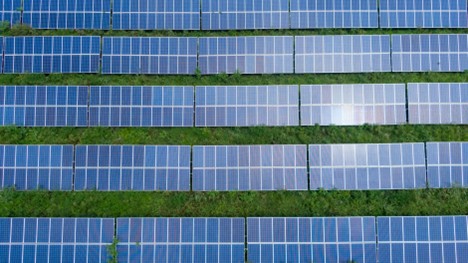
Beyond financial savings, solar power plays a vital role in reducing greenhouse gas emissions and mitigating climate change. By generating clean renewable energy, solar power systems help combat environmental challenges and promote sustainability. Choosing solar energy contributes to creating a greener and more sustainable future for generations to come. Embracing solar power is not just a sound financial decision but also a step towards a cleaner and healthier planet.
Installing Solar Panels
Solar panels are a fantastic way to harness renewable energy and reduce your carbon footprint. If you’re considering installing solar panels on your property, several key steps are involved.
Site Assessment
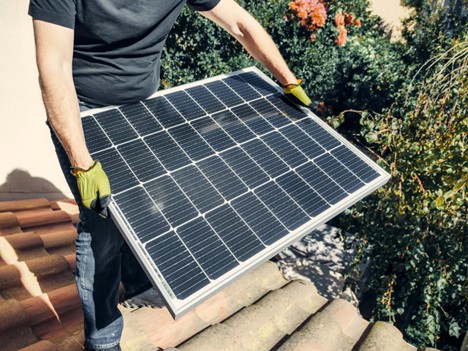
Before diving into solar panel installation, the first crucial step is to conduct a thorough site assessment. This assessment involves evaluating various factors such as sun exposure, shading, roof orientation, and structural integrity of the property. We Genx solar (www.genxsolutionsusa.com) provides free site visits.
Assessing sun exposure helps determine the best locations on your roof or property to install solar panels to maximize energy production. Understanding shading patterns throughout the day is essential to avoid obstructions that may hinder solar panel efficiency. Roof orientation plays a significant role in optimizing solar power generation since panels facing south generally receive the most sunlight. Additionally, assessing the structural integrity of your roof ensures it can support the weight of solar panels safely.
Grid Connection
Once the site assessment is complete and the solar panels are installed, the next step is connecting the system to the electrical grid. Grid connection allows solar panel owners to utilize electricity from their panels while also providing a way to sell excess energy back to the grid.
The process involves setting up a bidirectional meter that can measure both the electricity consumed from the grid and the surplus electricity generated by the solar panels. Net metering policies enable homeowners to receive credits for the excess electricity they feed back into the grid, helping offset their energy costs. This connection ensures a seamless flow of clean energy between your solar panels and the grid, maximizing energy efficiency and potential savings.
By evaluating your property and ensuring proper grid connection, you can make the most of your solar panel system while contributing to a sustainable energy future.
Incentives and Rebates
When considering the switch to solar power, it’s essential to explore the various incentives and rebates available that can make this renewable energy source more financially appealing. Government programs offer significant benefits to individuals and businesses looking to invest in solar energy. Let’s delve into the details of federal tax credits and state-level incentives to help you understand how these financial boosts can make a solar power system more affordable for you.
Federal Tax Credits
Federal tax credits serve as a substantial incentive for installing solar panels. Eligible taxpayers can claim a percentage of their solar installation costs as a credit on their federal tax returns. Typically, the federal government offers a tax credit that covers a percentage of the total system cost, including installation.
To qualify for the federal tax credit for solar energy, certain criteria must be met:
- The solar panels must be installed on a primary or secondary residence.
- The system must meet the necessary performance and quality standards.
- The taxpayer must own the solar energy system.
By taking advantage of federal tax credits, you can significantly reduce the initial investment required for installing solar panels and contribute to a sustainable future.
Photo by Pixabay
State-Level Incentives
Apart from federal programs, individual states also offer a range of incentives to promote the adoption of solar power systems. These state-level incentives can include rebates, grants, or performance-based incentives to encourage the use of renewable energy sources.
Each state may have its specific programs tailored to their unique energy goals and requirements. Some states offer rebates that can offset a portion of the initial costs of installing solar panels, making it more affordable for homeowners and businesses to embrace clean energy solutions. Additionally, grants and performance-based incentives reward users for generating solar power efficiently.
By exploring the state-level incentives available in your area, you can further optimize the financial benefits of going solar and contribute to a greener environment while saving on energy costs in the long run.
Maintenance and Efficiency
Maintaining your solar panels is essential to ensure they operate efficiently and provide optimal energy savings. By incorporating simple maintenance practices, you can maximize the lifespan and performance of your solar power system.
Cleaning and Inspections
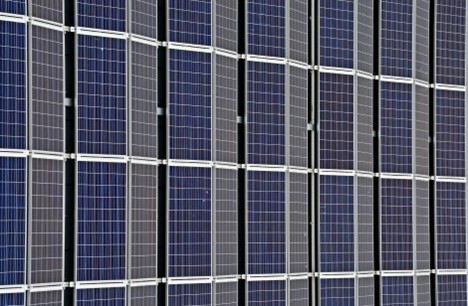
Regular cleaning and inspections are crucial to keep your solar panels functioning at their best. Dirt, dust, leaves, or any shading can impact the efficiency of your panels. It’s recommended to schedule periodic cleanings and inspections to remove any debris that may hinder sunlight absorption. By ensuring your panels are clean and free from obstructions, you can enhance their energy production capacity. We Genx Solar (www.genxsolutionsusa.com) provides cleaning service to keep your system with optimum performance.
Monitoring Energy Production
Utilizing monitoring tools can aid in tracking the energy production of your solar panels and system performance. By analyzing the data collected through these tools, you can identify any potential issues promptly and address them before they escalate. Monitoring energy production allows you to optimize the efficiency of your solar power system and ensure it continues to operate at peak performance levels. Regular monitoring enables proactive maintenance and efficient troubleshooting, contributing to long-term energy savings.
Remember, a well-maintained solar power system is not only environmentally friendly but also a cost-effective and sustainable energy solution for your home.
Conclusion
In conclusion, harnessing solar power is a game-changer in the quest for sustainable energy solutions. By investing in solar panels, you not only reduce your carbon footprint but also cut down on electricity bills significantly. Embracing solar energy is a proactive step towards a greener and more cost-effective future. So, why wait? Take the leap into the world of solar power and unlock the benefits of clean, renewable energy for your home or business today.